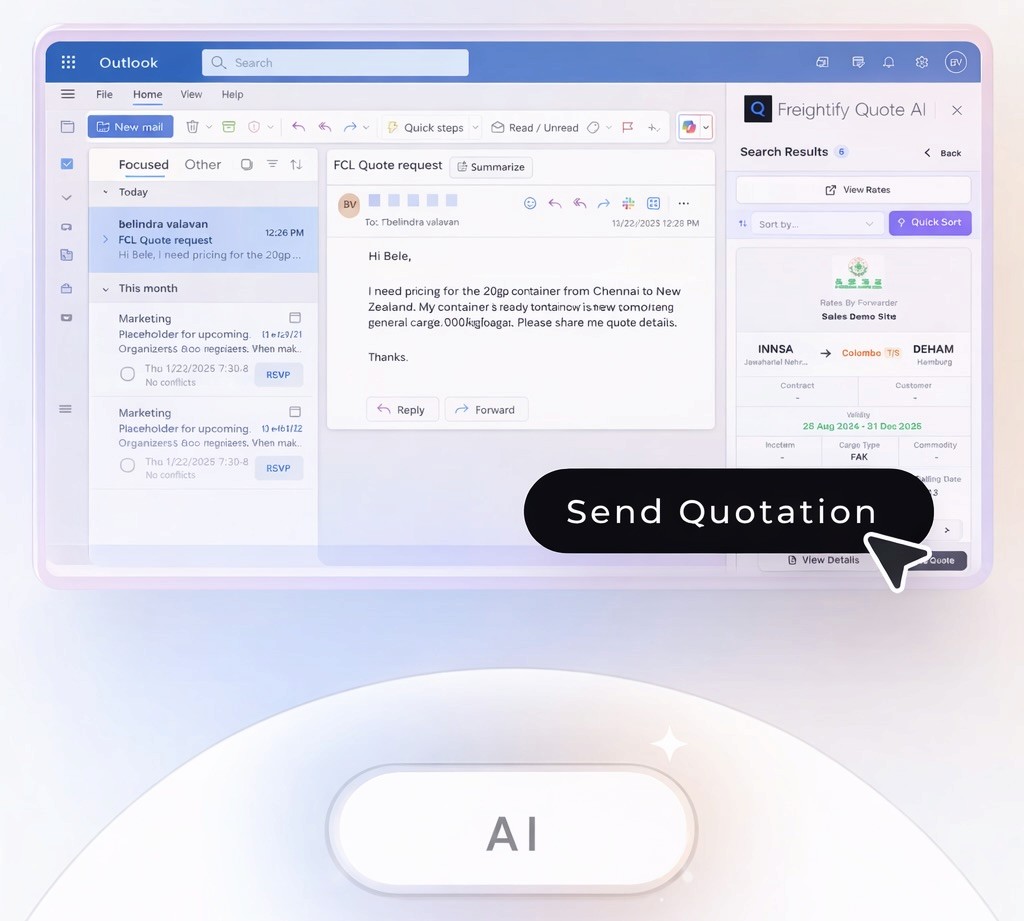
As digitalization grows in the logistics industry, it's not about whether you do it, but how. Here are 10 reasons why digitalization adds value to your business.

Team Freightify
Introduction
The global digital transformation in the logistics market is projected to reach $75 billion by 2026, as 88% of logistics companies actively invest in automation and cloud-based solutions. As customer expectations rise and supply chain disruptions become more frequent, logistics digital transformation has become a necessity rather than a choice. Freight forwarders adopting AI, IoT, automation, and digital platforms are seeing cost reductions of up to 30% and faster delivery times. But what does digitalization logistics truly mean, and how is it reshape freight operations? Let’s break it down.
What Is Digital Transformation in Logistics and Transportation?
Digital transformation in logistics refers to the adoption of technology to automate, optimize, and enhance supply chain operations. It includes real-time tracking, AI-powered route optimization, automated freight rate management, and paperless documentation. By leveraging cloud-based TMS platforms, predictive analytics, and IoT-enabled tracking, freight forwarders can increase efficiency, reduce costs, and improve shipment visibility, leading to smarter, faster, and more resilient logistics operations.
Let us help you with your journey
Procure, Manage and Quote freight prices (with ancillary charges) in under 2 minutes!
Key Benefits of Digital Transformation in Logistics and Transportation
Logistics companies that embrace digital transformation in transportation experience:
✔️ Cost savings of up to 30% through automation and optimization
✔️ Faster shipment processing with AI and predictive analytics
✔️ Improved visibility with real-time tracking & IoT integration
✔️ Scalability for handling growing shipment volumes efficiently
1. Reduced Costs
Overview
Cost reduction is a key driver of logistics digital transformation. Automating shipment booking, invoice processing, and rate management helps cut manual labor, human errors, and inefficiencies, resulting in lower operational costs and faster turnaround times.
Example
A freight forwarder using AI-driven route optimization can cut fuel costs by up to 20%, reducing empty miles and optimizing delivery schedules.
2. Real-Time Shipment Tracking & Visibility
Overview
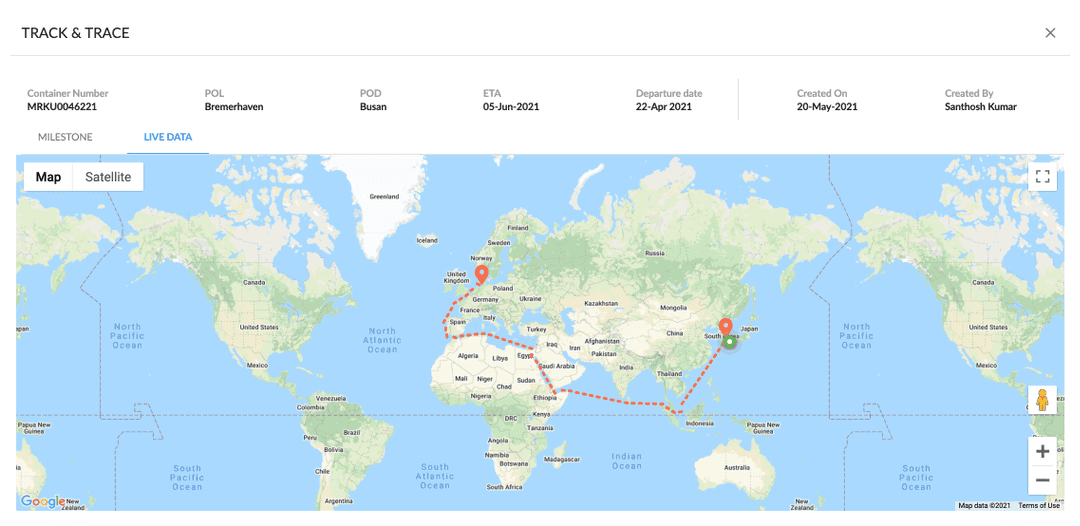
The integration of IoT, GPS, and cloud-based tracking systems allows logistics providers to monitor shipments in real time, ensuring proactive issue resolution and improved customer satisfaction.
Example
Companies using IoT sensors in containers reduce shipment delays by 40% by identifying potential disruptions in advance.
Also Read - How To Choose The Correct Freight Management Software For Your Business?
3. Increased Efficiency with Automation
Overview
Digital logistics solutions automate repetitive tasks, such as document processing, load planning, and carrier selection, reducing manual workloads and increasing productivity.
Example
An automated freight rate management system can reduce quotation time from hours to minutes, improving response time and sales conversion.
4. Better Carrier & Freight Management
Overview
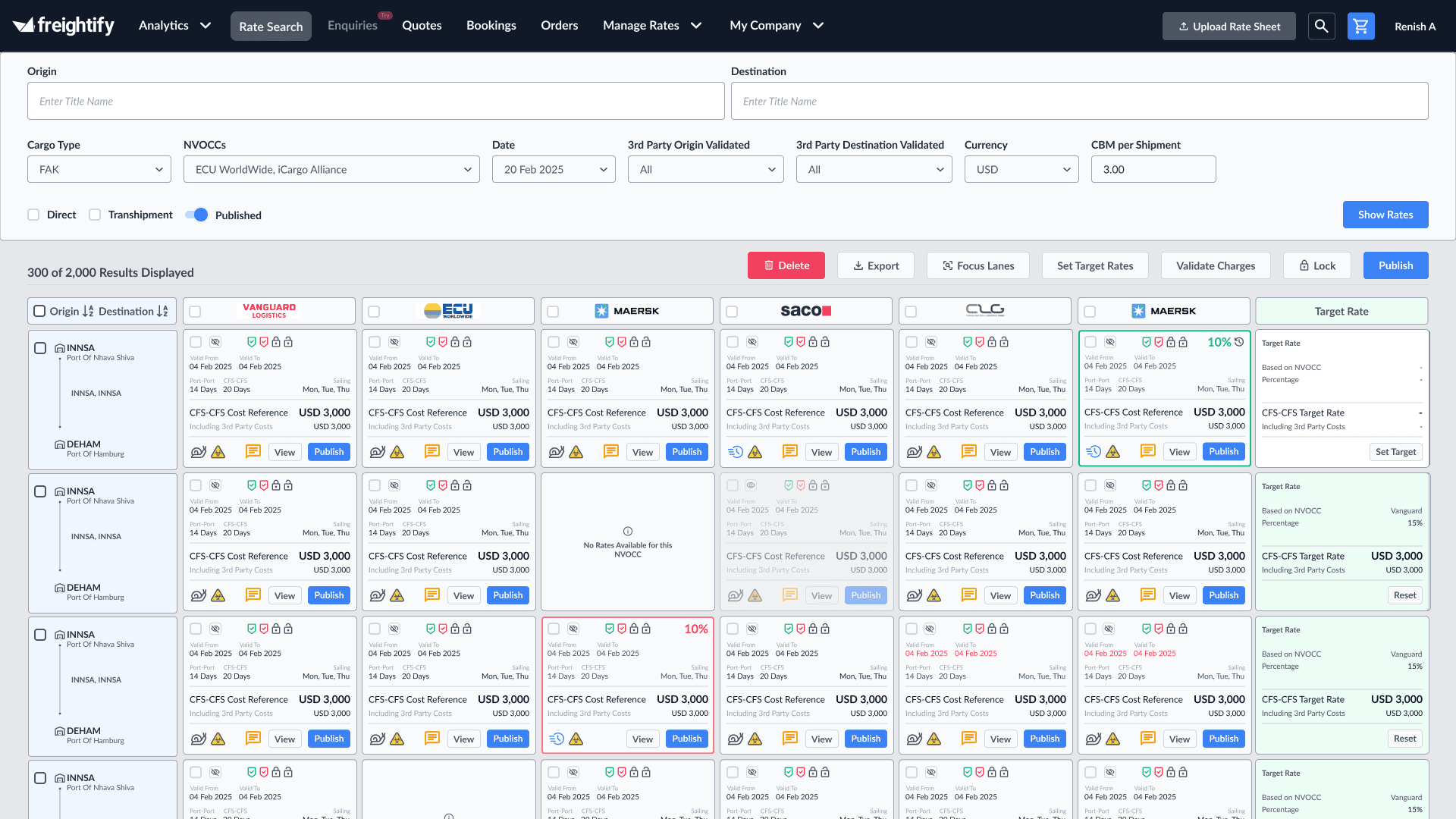
Freight forwarders leveraging digital transformation can compare freight rates, manage multi-modal shipments, and collaborate with carriers seamlessly.
Example
A digital TMS (Transportation Management System) can increase shipment accuracy by 95%, reducing billing errors and disputes.
5. Enhanced Customer Experience
Overview
Customers expect real-time shipment updates, easy online bookings, and fast issue resolution - all made possible through logistics digital transformation.
Example
Freight forwarders using AI chatbots and digital customer portals see a 30% improvement in customer satisfaction due to faster responses.
6. Faster Freight Documentation & Paperless Operations
Overview
Digital logistics platforms eliminate paper-based processes, reducing delays and improving compliance with global shipping regulations.
Example
E-Bill of Lading (eBL) adoption has reduced documentation time by 80%, allowing faster shipment clearance.
7. Improved Supply Chain Resilience
Overview
AI-powered risk assessment tools and predictive analytics help logistics providers anticipate and mitigate disruptions in the supply chain.
Example
Companies using predictive analytics reduce supply chain disruptions by 60% by proactively adjusting shipment schedules.
8. Scalability & Growth Opportunities
Overview
Cloud-based logistics platforms, enable freight forwarders to scale operations without major infrastructure investments.
Example
A logistics company switching to a cloud-based TMS can handle 3x more shipments without increasing workforce costs.
9. Sustainability & Green Logistics
Overview
Digital transformation in transportation enables fuel-efficient routing, paperless workflows, and optimized fleet management to reduce carbon footprints.
Example
Logistics companies using AI-powered fuel optimization reduce carbon emissions by 25%, making operations more sustainable.
10. Competitive Advantage in a Digital-First Market
Overview
Companies that embrace logistics digital transformation stay ahead of competitors by offering faster services, better pricing models, and enhanced shipment visibility.
Example
A digital-first freight forwarder using AI-based demand forecasting can cut delivery times by 35%, giving them a competitive edge.
Final Thoughts: Why Digital Transformation in Logistics is No Longer Optional
The future of logistics is digital. Companies embracing digitalization logistics are cutting costs, improving efficiency, and staying competitive. Whether you are a small freight forwarder or a global logistics provider, investing in digital transformation in transportation will help you scale operations, improve visibility, and boost profitability.
💡 Want to accelerate your logistics digital transformation?
🚀 Get a Free Demo of Freightify Today!
Frequently Asked Questions (FAQs) about Digital Transformation in Logistics
1. What does digital transformation mean in logistics?
Digital logistics transformation refers to using technology to automate and optimize supply chain operations. It includes real-time tracking, AI-powered route planning, cloud-based platforms, and paperless documentation, to make freight operations more efficient, cost-effective, and scalable.
2. How does digital transformation in transportation benefit freight forwarders?
Freight forwarders benefit from logistics digital transformation by:
✔️ Reducing costs through automation & route optimization
✔️ Improving shipment visibility with IoT & GPS tracking
✔️ Enhancing efficiency by automating freight documentation
✔️ Boosting customer experience with digital self-service portals
3. What are some key technologies driving digitalization in logistics?
Key technologies in digital logistics include:
✔️ AI & Machine Learning – Predictive analytics, demand forecasting
✔️ IoT & GPS – Real-time shipment tracking
✔️ Blockchain – Secure digital transactions & contract management
✔️ Cloud-Based TMS – Centralized freight management
4. How can a freight forwarder start their digital transformation journey?
Start with these key steps:
✔️Identify pain points in manual logistics operations
✔️Invest in cloud-based logistics platforms & automation tools
✔️Train staff on digital transportation technologies
✔️Partner with a TMS software provider for seamless integration
Frequently Asked Questions
Q: What is data-driven decision-making in freight forwarding?
It’s the process of using centralized, structured data and AI insights to drive procurement, pricing, and quoting decisions across global teams.
Q: Why is it difficult for freight forwarders to become data-driven?
Because most use legacy TMS systems and Excel workarounds that trap information in silos, making collaboration and transparency difficult.
Q: What is decision intelligence in logistics?
Decision intelligence connects data, people, and AI systems to continuously learn from transactions—transforming experience into scalable foresight.
Q: How does AI improve freight pricing and procurement?
AI learns from historical contracts, quotes, and bookings to suggest optimal pricing, detect anomalies, and improve margin consistency.
Stay updated with Freightify
Subscribe to our blog for the latest updates and insights delivered to your inbox.
Suggested Stories
Your LCL Operation Has a Revenue Leak. Most Forwarders Never Find It.
Freight forwarders in the US and Europe lose LCL quotes daily — not from bad rates, but broken pricing workflows. See how the right LCL pricing software fixes this.
Wisor vs Freightify: Which Rate Management Platform Should You Choose? [2026]
Data-driven comparison based on 88 reviews. Implementation speed, multi-office capabilities, accuracy guarantees. 5-minute read.