
TMS is required for effective operations in unpredictable freight markets. This blog explores the 10 best TMS offerings that are making a mark in 2025.

Team Freightify
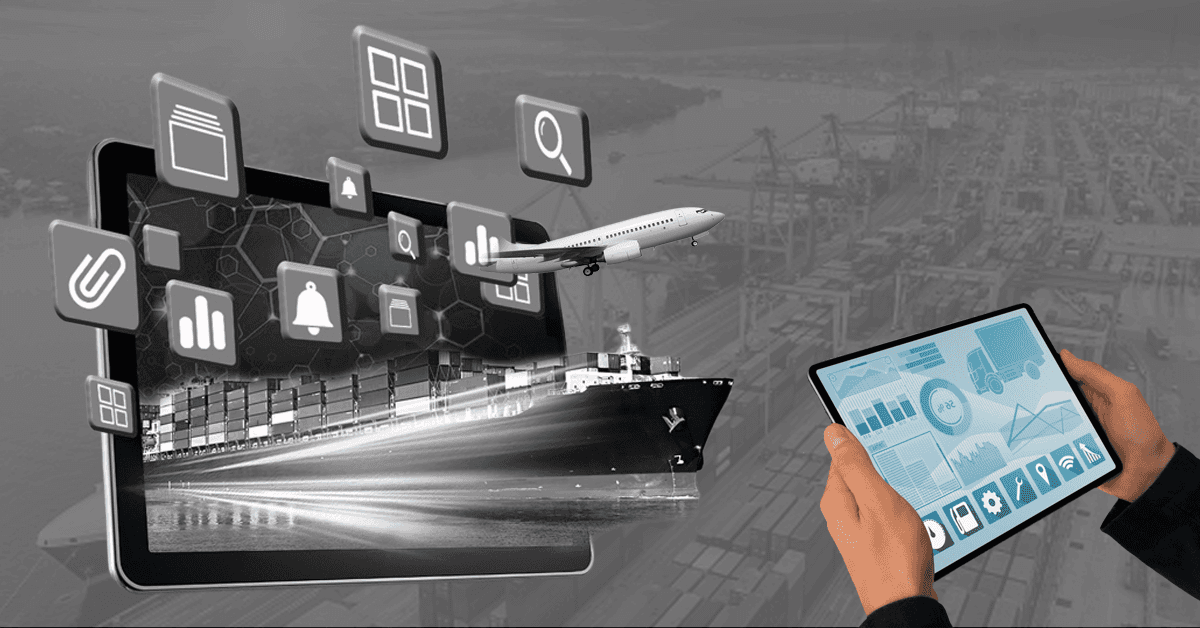
Introduction: The Rise of Software for Transportation Management (TMS)
The global Transportation Management Software (TMS) market is expected to reach $30 billion by 2027, driven by the increasing demand for real-time freight tracking, AI-based automation, and cost optimization. Over 75% of freight forwarders report that manual logistics processes slow down operations, leading to higher costs and inefficiencies. Investing in the best transportation management software helps businesses streamline shipments, optimize routes, and reduce costs.
What is Transportation Management Software (TMS)?
A TMS is a digital platform designed to help businesses plan, execute, and optimize freight movement. It automates key logistics tasks such as route planning, shipment tracking, carrier selection, and freight cost analysis, making logistics operations faster and more efficient.
Let us help you with your journey
Procure, Manage and Quote freight prices (with ancillary charges) in under 2 minutes!
Why Do Freight Forwarders Need a TMS?
Cost Reduction – Automates processes and optimizes transportation planning to cut logistics expenses.
Real-Time Shipment Tracking – Enhances efficiency with instant updates on freight movement.
Better Carrier Management – Improves collaboration between freight forwarders and logistics providers.
Minimized Errors – Reduces paperwork and human mistakes with AI-driven automation.
Scalability – Adapts to business growth with cloud-based transport management solutions.
Top 11 Best Transportation Management Software (TMS) Platforms in 2025
Overview
Choosing the right Transportation Management Software (TMS) is crucial for freight forwarders and logistics providers to optimize operations, reduce costs, and enhance shipment visibility. The best TMS software providers offer features like real-time freight tracking, AI-powered automation, route planning, carrier selection, and cost analysis. Whether you need a cloud-based transport management solution, AI-driven shipment management software, or an enterprise-grade TMS, this list covers the top 11 solutions to help businesses streamline logistics and drive profitability.
1. CargoWise – Best for Large Freight Forwarders
Overview:
CargoWise is a cloud-based transportation optimization software tailored for global logistics companies handling complex supply chain operations.
Key Features:
Multimodal transport management (Air, Ocean, Road, Rail)
Integrated compliance and customs automation
AI-based shipment routing & cost optimization
Advanced carrier contract management
Pros:
Scalable for large freight forwarders
Strong global network for supply chain management
Comprehensive reporting & analytics
Cons:
Expensive for small businesses
Steep learning curve
Service Locations:
Available globally, with a strong presence in the USA, Europe, and Asia
Pricing:
Quote-based pricing
Additionally, Freightify can easily integrate with your existing CargoWise TMS to increase efficiency as well as seamless operations and data exchange.
2. Magaya – Best for Small & Mid-Sized Freight Forwarders
Overview:
Magaya offers an all-in-one logistics and supply chain platform designed for freight forwarders, NVOCCs, and customs brokers.
Key Features:
Automated shipment processing & real-time tracking
Customs compliance management
AI-based rate comparison & carrier selection
Built-in accounting and finance tools
Pros:
User-friendly interface
Affordable for small businesses
Multi-modal freight support
Cons:
Limited integrations compared to enterprise solutions
Service Locations:
USA, Canada, Latin America, Europe
Pricing:
Mid-range pricing with flexible plans
Moreover, Freightify can easily integrate and help in migrating data seamlessly, to and fro with your existing Magaya TMS.
3. Blue Yonder – Best for AI-Powered Freight Optimization
Overview
Blue Yonder offers predictive analytics and AI-powered automation for logistics companies managing high shipment volumes.
Key Features
AI-powered demand forecasting
Automated route planning & load balancing
Multi-modal transportation optimization
Dynamic freight cost analytics
Pros
Strong AI capabilities
Scalable for large enterprises
Best transportation management system for data-driven decisions
Cons
Requires technical expertise for setup
Service Locations
Global coverage, including North America & Europe
Pricing
Enterprise-level pricing
4. Kuebix – Best for Small & Mid-Sized Freight Businesses
Overview
Kuebix provides scalable TMS solutions, offering a free version for small businesses and enterprise-level tools for larger supply chains.
Key Features
Cloud-based TMS with freight management
Real-time shipment visibility
Automated shipment booking and invoice auditing
Pros
Affordable with a free version for startups
Scalable for businesses of all sizes
Easy-to-use interface
Cons
Lacks advanced features for global enterprises
Limited integration options
Service Locations
Available in North America and Europe
Pricing
Free basic version, enterprise pricing available
5. Oracle Transportation Management – Best for Large Enterprises
Overview
Oracle TMS is full-suite transportation solution designed for global freight companies needing a highly configurable, AI-driven logistics solution.
Key Features
End-to-end freight lifecycle management
AI-powered demand forecasting
Automated carrier compliance & customs handling
Pros
Highly customizable
Global freight network compatibility
Robust automation for large-scale logistics
Cons
Complex setup & high learning curve
Expensive for small businesses
Service Locations
Global coverage, including USA, Europe, and Asia
Pricing
Enterprise-level pricing
6. SAP Transportation Management – Best for ERP Integration
Overview
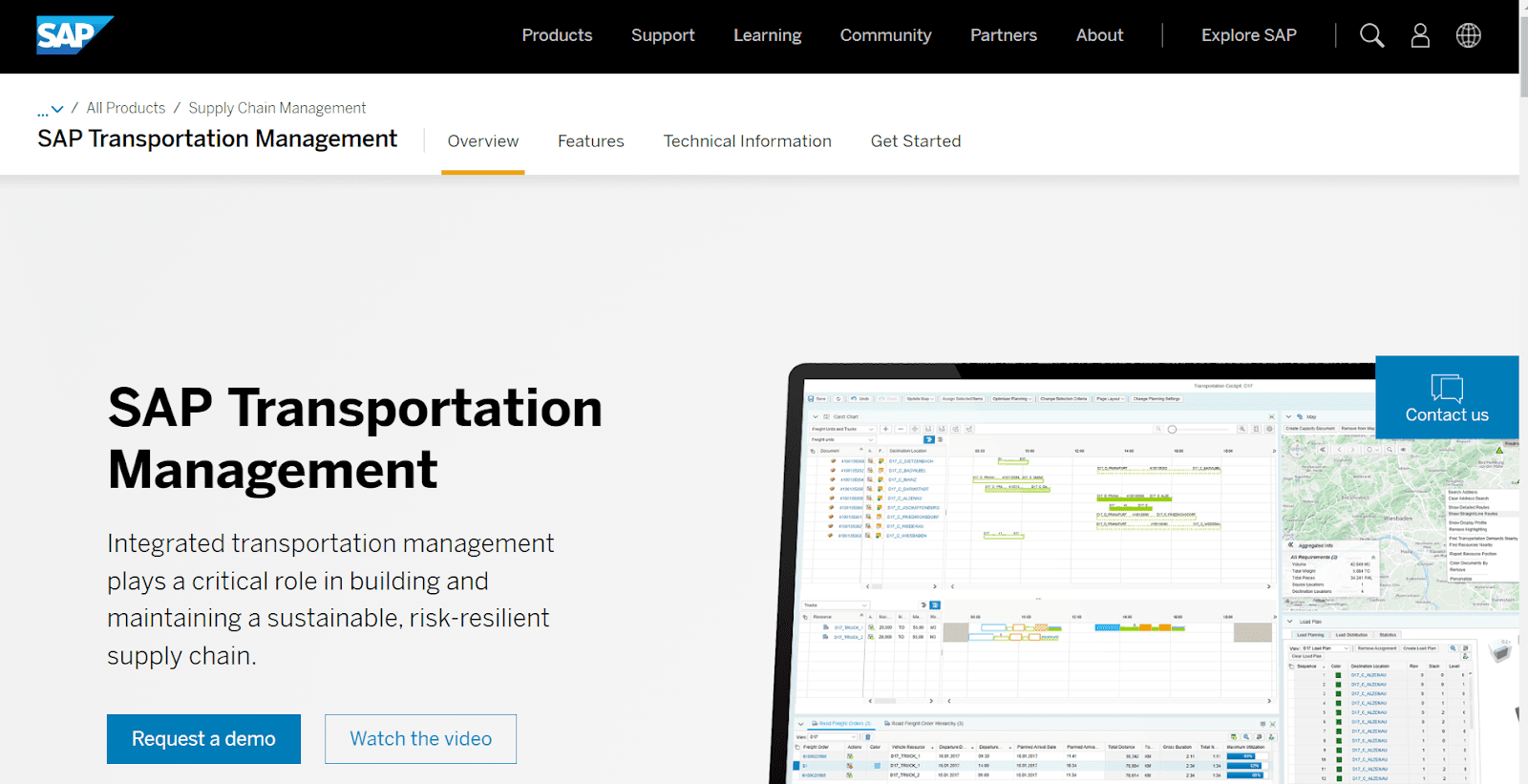
SAP TMS is ideal for companies using SAP ERP, offering seamless integration with supply chain processes.
Key Features
Freight order management & execution
Real-time shipment tracking & cost management
Multi-modal transport support
Pros
Great for companies already using SAP
Detailed analytics & real-time reporting
Advanced transport planning tools
Cons
Expensive for small businesses
Requires SAP expertise
Service Locations
Available worldwide
Pricing
Custom pricing based on modules
7. TMC by C.H. Robinson – Best for Managed Transportation Services
Overview
TMC, a division of C.H. Robinson, is a global transportation management system designed for enterprises seeking end-to-end logistics visibility and managed transportation services. It provides advanced control tower solutions and AI-driven insights to optimize supply chain performance.
Key Features
Global transportation visibility & control tower solutions
AI-powered predictive analytics & automation
Integration with various ERP & supply chain platforms
Pros
Strong global carrier network & 24/7 support
Advanced analytics for real-time decision-making
Scalable solutions for large enterprises
Cons
Higher cost compared to standard TMS solutions
Best suited for large companies with complex logistics needs
Service Locations
Available worldwide
Pricing
Custom pricing based on service level & business needs
8. Uber Freight – Best for On-Demand Freight Matching
Overview
Uber Freight is a digital freight brokerage platform that connects shippers with carriers through an intuitive, app-based system. It simplifies freight booking with real-time pricing and automated load matching, making it ideal for businesses seeking flexible and transparent shipping solutions.
Key Features
Automated load booking & carrier matching
Real-time tracking & analytics
Pros
Easy-to-use platform with quick onboarding
Transparent pricing with no hidden fees
Strong carrier network for reliable capacity
Cons
Limited advanced TMS features for complex logistics needs
Primarily focused on North American markets
Service Locations
North America & expanding in Europe
Pricing
No subscription fee; pricing varies based on freight rates & load requirements
9. PCS Signature TMS – Best for End-to-End Supply Chain Visibility
Overview
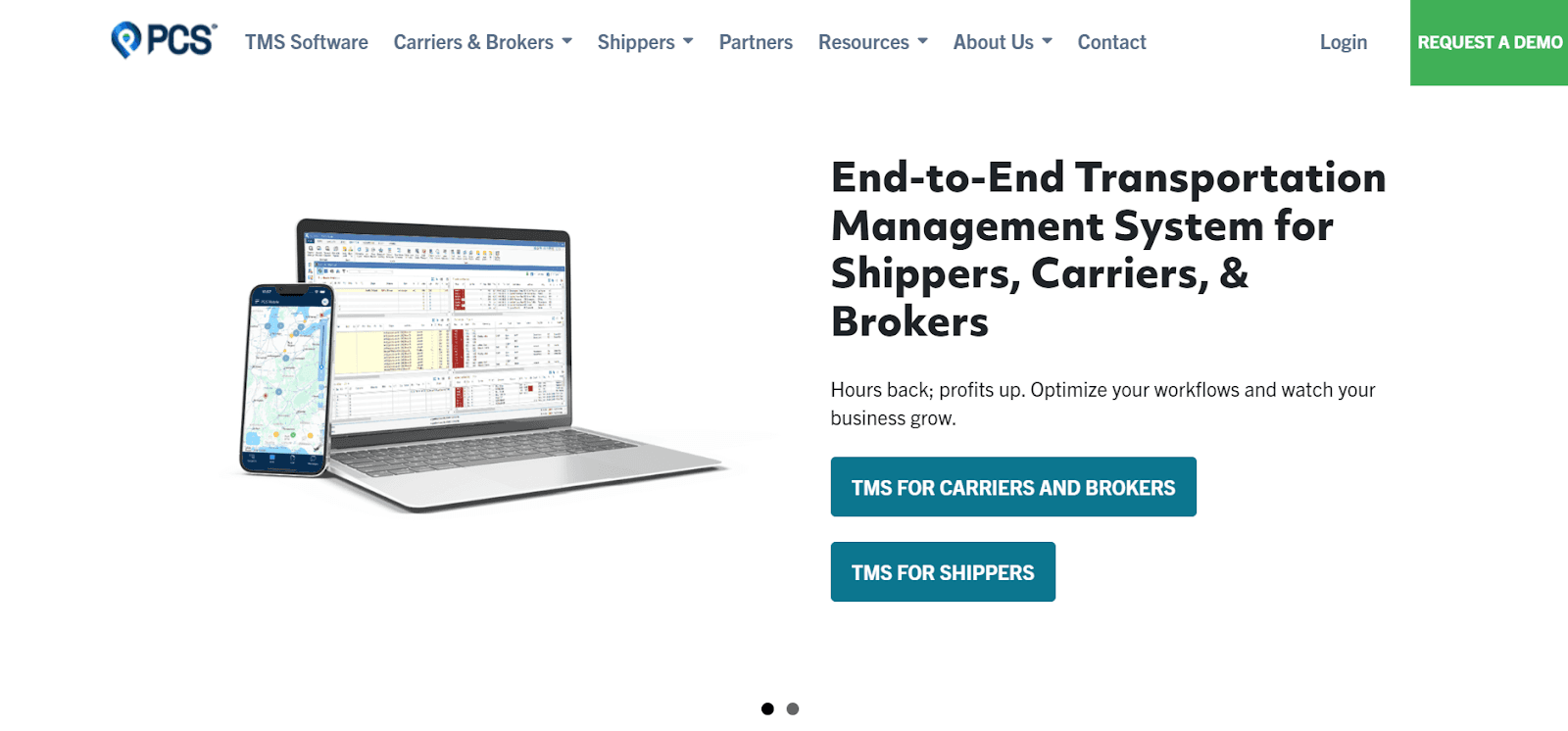
PCS Signature TMS is a cloud-based transportation management system designed for carriers, brokers, and shippers. It offers a unified platform with AI-driven automation, real-time visibility, and robust integrations to streamline freight operations.
Key Features
End-to-end freight management for shippers, brokers & carriers
AI-driven automation & predictive analytics
Integrated accounting, dispatch, and compliance tools
Pros
Scalable solution for businesses of all sizes
Strong integration with ELDs, ERP, and accounting software
Real-time tracking & dynamic load optimization
Cons
Advanced features may require a learning curve
Pricing structure may not be ideal for small businesses
Service Locations
Available in North America
Pricing
Custom pricing based on business needs & feature selection
10. BluJay (now e2open TMS) – Best for Global Supply Chain Optimization

Overview
BluJay, now part of e2open, is a comprehensive transportation management system designed for global shippers seeking end-to-end logistics visibility, compliance, and optimization. It enables seamless multi-modal transportation planning with AI-driven automation and analytics.
Key Features
AI-powered route optimization & freight management
Multi-modal transportation support (road, rail, air, ocean)
Integrated customs & trade compliance tools
Pros
Strong global network with real-time shipment visibility
Scalable solution for enterprises & complex supply chains
Advanced automation for cost-saving & efficiency
Cons
Requires integration expertise for full functionality
Can be costly for smaller businesses
Service Locations
Available worldwide
Pricing
Custom pricing based on enterprise needs & modules selected
Key Features to Consider in a Transport Management System
Route Optimization
A TMS should optimize shipment routes by considering traffic, delivery windows, and vehicle capacity to reduce costs and improve efficiency.Freight Tracking and Visibility
Real-time tracking ensures shipment monitoring, proactive issue management, and better customer updates for improved logistics transparency.Carrier Management
Effective carrier tools help manage contracts, rates, and performance, ensuring strong partnerships and cost-effective shipping solutions.Load Planning and Consolidation
Optimized load planning maximizes trailer use, reduces shipping costs, and minimizes environmental impact through better space utilization.Compliance and Documentation
A TMS should automate trade compliance, generate shipping documents, and manage regulations to prevent delays and penalties.Reporting and Analytics
Robust analytics provide performance insights, track KPIs, and identify cost-saving opportunities to enhance supply chain efficiency.
By prioritizing these key features when evaluating TMS options, businesses can choose a solution that meets their specific transportation management needs and enables them to achieve their operational and strategic objectives effectively.
What are the Benefits of using a Transport Management System?
Using a transportation management system (TMS) offers a multitude of benefits, akin to unlocking a treasure trove of efficiency and optimization in your logistics operations. Here's a glimpse into the advantages:
Cost Reduction: By optimizing routes, consolidating shipments, and selecting the most cost-effective carriers, a TMS helps slash transportation expenses, boosting your bottom line.
Simplified Processes: Say goodbye to cumbersome manual tasks. A TMS automates key functions like load planning, carrier selection, and documentation, streamlining your entire supply chain.
Enhanced Visibility: With real-time tracking and monitoring capabilities, you gain unparalleled visibility into your shipments' status, enabling proactive decision-making and minimizing disruptions.
Improved Efficiency: From faster billing cycles to smoother freight execution, a TMS boosts operational efficiency across the board, saving time and resources.
Compliance Assurance: Navigate the labyrinth of trade regulations and compliance requirements effortlessly. A TMS keeps you abreast of changing regulations and ensures your shipments are always compliant.
Time Savings: With streamlined processes and automated workflows, your team can focus on strategic initiatives rather than getting bogged down by manual tasks, resulting in faster delivery times and happier customers.
Scalability: As your business grows, so does the complexity of your logistics operations. A TMS scales with your business, adapting to evolving needs and ensuring seamless expansion.
Final Thoughts: The Best TMS Platforms for 2025
Choosing the best transport management software ensures cost savings, improved efficiency, and enhanced shipment tracking. Whether you need a scalable cloud-based TMS like Freightify, an enterprise-level system like Oracle, or a logistics-specific platform like CargoWise, the right transportation optimization software can transform your freight operations.
Looking for the best transportation management software?
Get a Free Demo of Freightify Today!
Frequently Asked Questions (FAQs) about Transportation Management Software (TMS)
What is a Transportation Management System (TMS) and how does it work?
A Transportation Management System (TMS) is a logistics software that helps businesses plan, execute, and optimize the movement of freight. It works by automating key logistics tasks, such as:
Freight rate management – Comparing carrier pricing to get the best rates
Shipment tracking – Providing real-time updates on deliveries
Route optimization – Identifying the most cost-efficient shipping routes
Carrier selection – Matching the right carrier with each shipment
A TMS integrates with freight carriers, warehouses, and ERP systems to improve logistics efficiency and reduce transportation costs.
What are the benefits of using a TMS for freight forwarders?
Freight forwarders benefit greatly from a TMS software provider because it helps:
Reduce transportation costs by optimizing routes and carrier selection
Improve shipment tracking with real-time visibility
Eliminate manual errors by automating documentation and invoicing
Enhance operational efficiency by integrating with existing supply chain systems
Scale business growth with cloud-based TMS solutions
With AI-powered transportation management software, freight forwarders can streamline complex logistics while ensuring faster and more cost-effective shipments.
How do I choose the best TMS software for my business?
When selecting a TMS software provider, consider the following factors:
Scalability – Can the TMS grow with your business?
Integration capabilities – Does it connect with your ERP, warehouse, and freight carriers?
User-friendliness – Is the interface intuitive for your team?
Automation & AI – Does it offer real-time tracking, automated rate comparison, and AI-driven route planning?
Transport Management System Cost – Does it fit within your budget?
Popular choices include Freightify (for freight rate management), CargoWise (for large enterprises), and Oracle TMS (for global logistics).
What is the difference between cloud-based and on-premise TMS software?
The main difference between cloud-based and on-premise TMS is how they are hosted and managed:
Cloud-Based TMS
Hosted online (no need for physical servers)
Easy to update and scale
Lower upfront costs, subscription-based pricing
Accessible from anywhere
On-Premise TMS
Installed on company-owned servers
Higher control over security and customization
Higher upfront cost but no ongoing subscription fees
Requires in-house IT maintenance
Most modern freight forwarders prefer cloud-based TMS solutions due to their flexibility, real-time updates, and lower costs.
Frequently Asked Questions
Q: What is data-driven decision-making in freight forwarding?
It’s the process of using centralized, structured data and AI insights to drive procurement, pricing, and quoting decisions across global teams.
Q: Why is it difficult for freight forwarders to become data-driven?
Because most use legacy TMS systems and Excel workarounds that trap information in silos, making collaboration and transparency difficult.
Q: What is decision intelligence in logistics?
Decision intelligence connects data, people, and AI systems to continuously learn from transactions—transforming experience into scalable foresight.
Q: How does AI improve freight pricing and procurement?
AI learns from historical contracts, quotes, and bookings to suggest optimal pricing, detect anomalies, and improve margin consistency.
Stay updated with Freightify
Subscribe to our blog for the latest updates and insights delivered to your inbox.
Suggested Stories
Your LCL Operation Has a Revenue Leak. Most Forwarders Never Find It.
Freight forwarders in the US and Europe lose LCL quotes daily — not from bad rates, but broken pricing workflows. See how the right LCL pricing software fixes this.
Wisor vs Freightify: Which Rate Management Platform Should You Choose? [2026]
Data-driven comparison based on 88 reviews. Implementation speed, multi-office capabilities, accuracy guarantees. 5-minute read.