News
The labour shortage crisis in the logistics sector is at an all-time high. Learn more on how it can be an excellent opportunity to start a digitalization process, especially in the freight forwarding industry.

Team Freightify
What’s in this article:
What is understaffing?
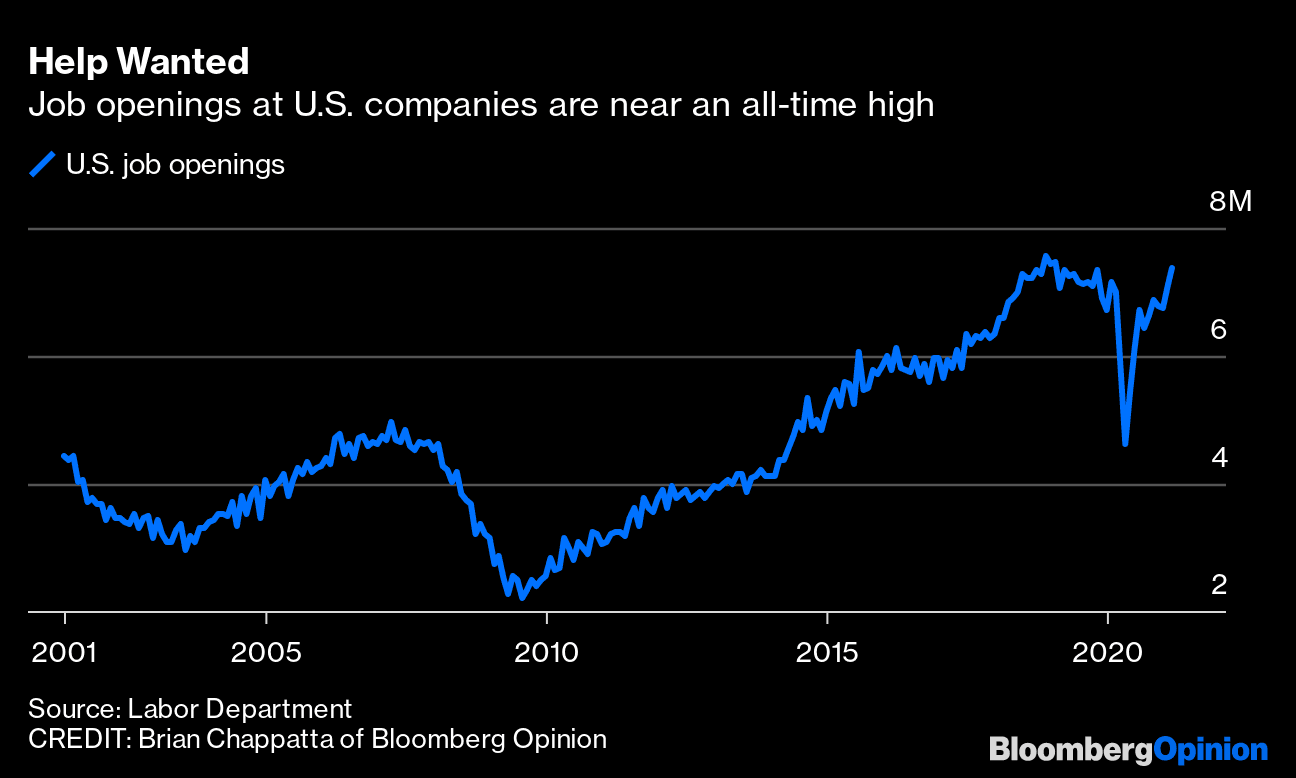
One of the many changes that the Covid-19 pandemic has caused in the logistics sector has been the radical modification of labour relations between companies and workers. This has generated, in most cases, an understaffing situation that can become dangerous. The current shortage is related to the lifting of Covid-19 limitations and the consequent reopening of the economy in both the United States and Europe.
How Did Understaffing Affect The Logistics Industry?
The logistics industry, particularly the express sector, has been under stress due to increased volumes, especially e-commerce. Compliance and last-mile operations have exploded in recent months as B2C volumes have grown exponentially. The employment landscape is changing as the economy grows and specialized personnel are in short supply. The reasons for this are numerous but include the availability of higher-paying, more attractive, and acceptable occupations as a result of economic recovery and expansion.
This understaffing situation can represent a severe problem, especially for small or medium-sized freight forwarders. Fewer employees mean more work to do for those who continue in the organization, which causes the staff to experience overwork, fatigue, lack of motivation, etc. This, in turn, might be why some workers also decide to leave the company to seek a job with less pressure and more significant benefits. It’s a perverse circular logic scenario.
And this is where technology puts a possible solution within our reach. By digitizing and automating tasks in freight forwarders operations, organizations can return to pre-pandemic production levels with even fewer staff while maintaining quality and productivity standards and even improving them.
It is no secret that the digitalization and automation of processes in the sector entails a series of benefits such as:
Cost reduction.
Better demand management.
Greater control of the organization.
Document digitalization.
Complete and exhaustive analysis of data in real-time.
Reduction of errors that come from non-automated processes such as manual data entry.
Let us help you with your journey
Instantly procure spot rates from 30+ LCL and FCL Carriers & NVOCCs
Staff Shortage - An Opportunity For Logistics Businesses
An organization with staff shortage problems has a magnificent opportunity to implement processes of digitization and automation of tasks, taking advantage of the economic muscle that comes from reduced salary costs. And this incorporation of new technologies will not only bring the benefits that we have mentioned, but it will also lighten the employees’ workload, making them work with greater motivation and productivity and thus increasing companies’ retention rates.
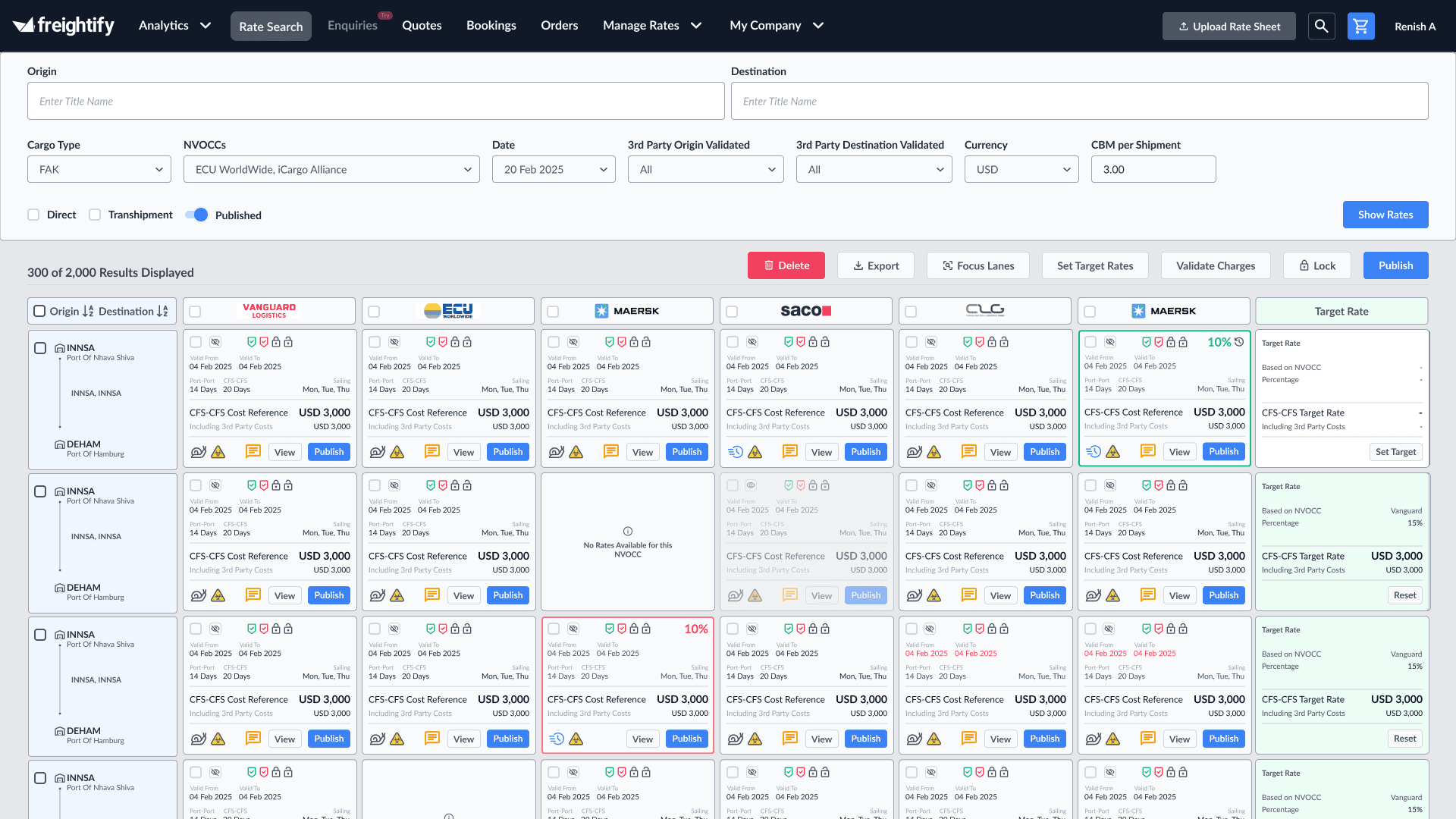
This is a great time for freight forwarders to start automating tasks by digitizing rate management since this is one of the most crucial operations in the sector. Still, at the same time, it is one of the most time-consuming, with more significant human intervention required and on which the success of the business largely depends.
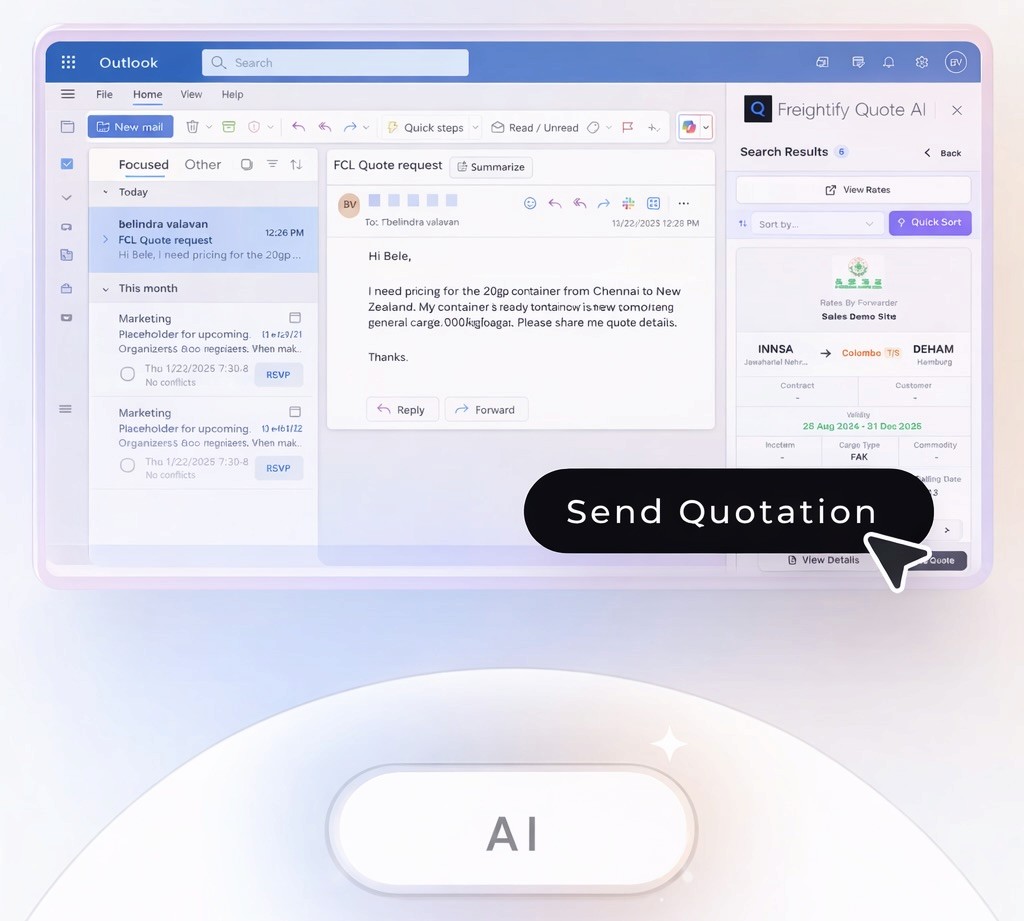
Fully automated rate management software such as the one offered by Freightify can relieve the organization of a heavy workload while also ensuring that quote management is done transparently and with visibility. The time saved by using such a tool can be invested in providing training to employees, which will improve recruitment, retention, and productivity while also reducing absenteeism.
Can Automation Be An Enabler?
Another critical aspect of using these SaaS tools for rate management is that it will allow the organization to send rates and quotes to clients in real-time with minimal human intervention. This can be a substantial competitive advantage for a company with a reduced workforce and might put it ahead of the competition.
It is also essential to consider the human factor of business and keep in mind that an employee who works under less pressure is a more productive and happy element in the organization. On the other hand, the knowledge that employees can acquire about using next-generation SaaS tools makes them more valuable and specialized, which ultimately affects the optimal operation of the company.
Finally, it is not easy to ignore the advantages of automated rate management compared to the old school form of spreadsheets and email. Freightify is a cloud-based tool capable of communicating with suppliers and customers through APIs and operating on the most current technological standards.
The advantages achieved through automated tasks can only benefit both the company and the people who form it and manage to provide a real boost for freight forwarders in these difficult times.
FAQ
What is labor shortage?
Labor shortage occurs when there are insufficient competent individuals with a specific skill set to meet the market's job expectations and demands.
Why is the demand for labor called a derived demand?
The demand for labor is called a derived demand because the demand for labor also depends upon the productivity,their overall profitability to a firm.
How to deal with labor shortage?
Labor shortage can be coped up in 2 major ways. Firstly by keeping the present staff satisfied with the organisation by offering benefits like that of healthcare to full-time employees and incentivising them with higher hourly pay and bonuses for referring someone. In addition to this, organisations should also implement technology within their business processes to increase the productivity of present employees. Other than this, organisations can also get hold of new candidates by incentivising them with signing bonuses and offering them the potential to grow within the industry. Involving the employees into the decision making can also be a great factor for them to stay within the organisation.
Frequently Asked Questions
Q: What is data-driven decision-making in freight forwarding?
It’s the process of using centralized, structured data and AI insights to drive procurement, pricing, and quoting decisions across global teams.
Q: Why is it difficult for freight forwarders to become data-driven?
Because most use legacy TMS systems and Excel workarounds that trap information in silos, making collaboration and transparency difficult.
Q: What is decision intelligence in logistics?
Decision intelligence connects data, people, and AI systems to continuously learn from transactions—transforming experience into scalable foresight.
Q: How does AI improve freight pricing and procurement?
AI learns from historical contracts, quotes, and bookings to suggest optimal pricing, detect anomalies, and improve margin consistency.
Stay updated with Freightify
Subscribe to our blog for the latest updates and insights delivered to your inbox.
Suggested Stories
Your LCL Operation Has a Revenue Leak. Most Forwarders Never Find It.
Freight forwarders in the US and Europe lose LCL quotes daily — not from bad rates, but broken pricing workflows. See how the right LCL pricing software fixes this.
Wisor vs Freightify: Which Rate Management Platform Should You Choose? [2026]
Data-driven comparison based on 88 reviews. Implementation speed, multi-office capabilities, accuracy guarantees. 5-minute read.