
News
Here's a list of the top 10 international container shipping companies based on TEUs and the number of vessels by 2022.

Team Freightify
80% of global trade is carried out through sea routes. This makes maritime shipping companies one of the largest players in the global supply chain.
Enormous shipping containers are used by companies to ferry goods via ships and cater to human consumption.
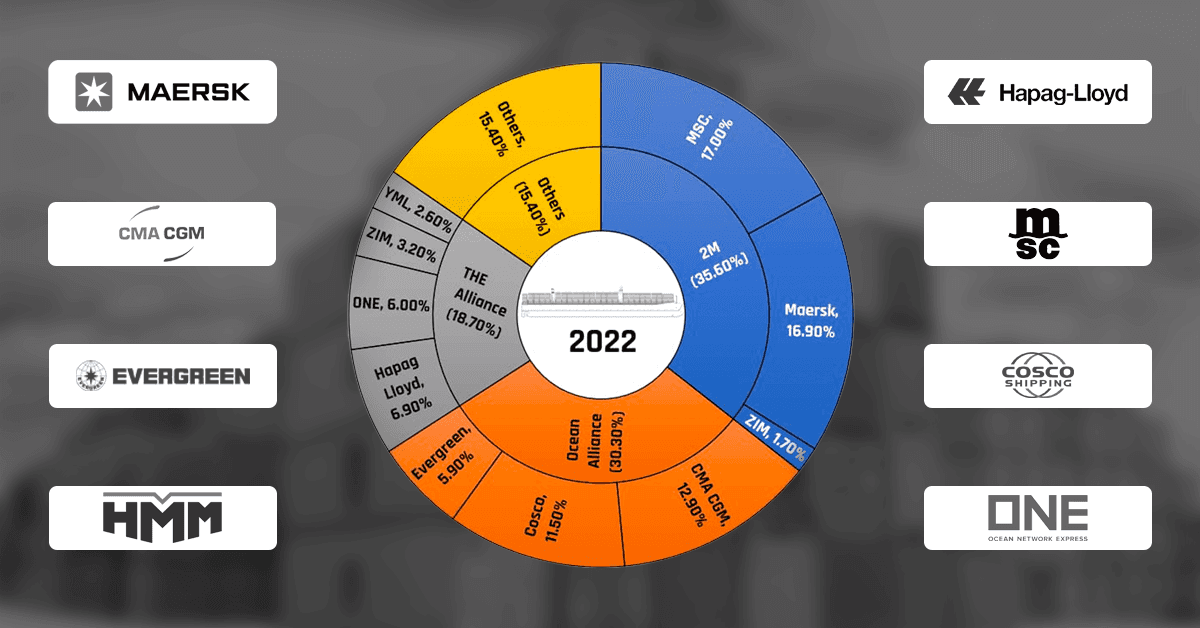
Container shipping is dominated by certain key names, including firms like MSC, Maersk, Hapag Lloyd, COSCO Shipping, and more.
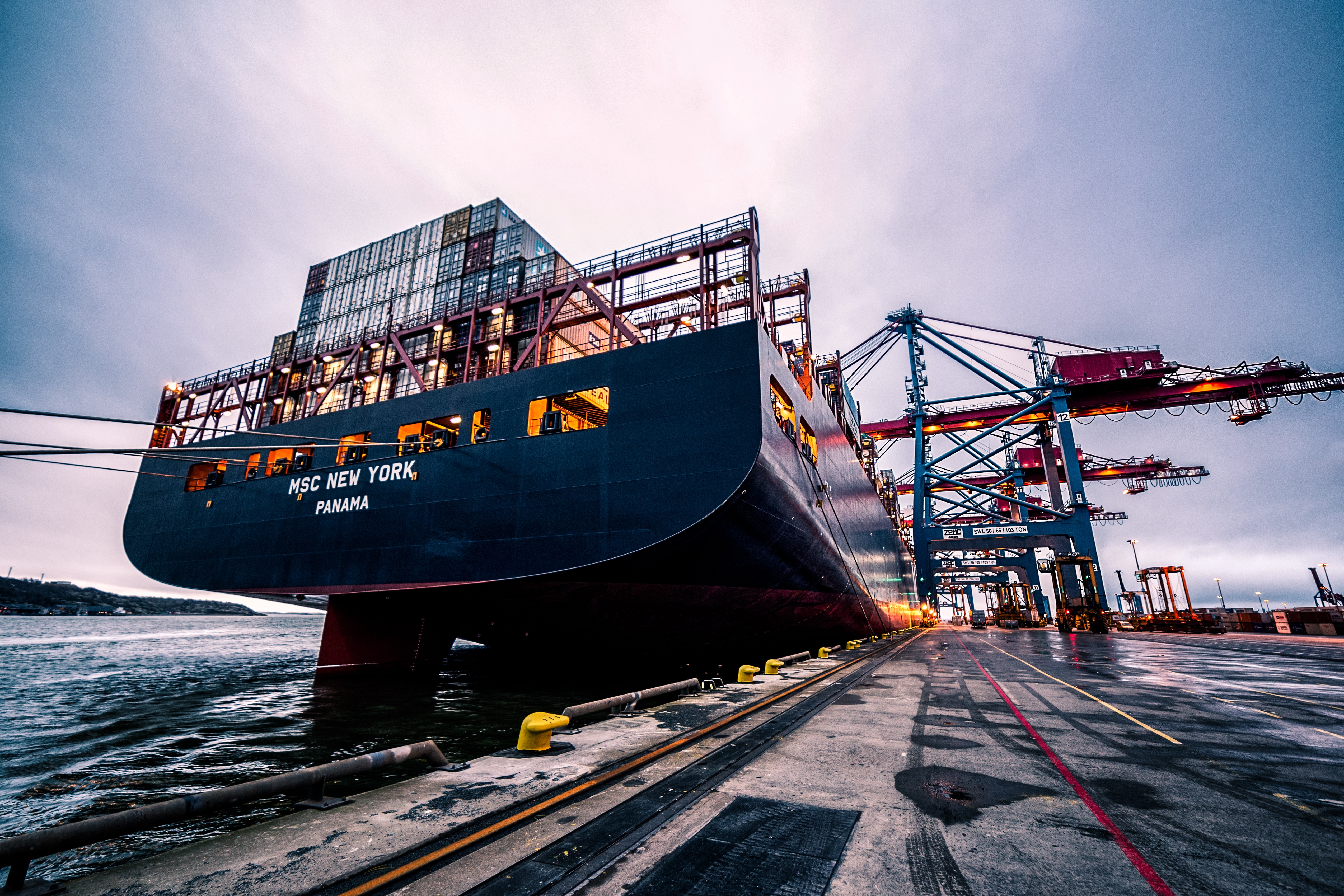
With capacity measured in TEUs or twenty-foot equivalent containers, large shippers have the capacity and appetite to ferry volumes upwards of 100K containers globally every year.
In fact, according to a recent Alphaliner report, Denmark’s Maersk was toppled from the top spot as the largest player in the container shipping space, with MSC acquiring greater TEU capacity in January 2022.
Container Shipping Company Rankings 2022 Report Overview
A report from Alcott Global (based on data from Alphaliner) has mapped various data points to rank the top container shipping companies in 2022 to get a deeper look at the capabilities of the top players in this space.
The two main metrics this report takes into consideration include:
The number of ships owned by a shipping company
Their total shipping capacity, measured in TEUs (20-foot-equivalent units)
Top 10 Container Shipping Company Rankings
According to the report, the top 10 container shipping companies in 2022 can be found in the table below:
Note: Fleet sizes are as of June 2021, while TEU capacity is from July 2022.
According to this report, MSC holds first place, with Maersk coming in a close second as the largest container shipping company globally. This is in contrast to June 2021, when Maersk held the number one position.
Let us help you with your journey
Procure, Manage and Quote freight prices (with ancillary charges) in under 2 minutes!
The Changing Face of Container Shipping
Despite the pandemic and the Russia-Ukraine conflict, the shipping industry as a whole has been profitable in the last few years.
According to a Sea-Intelligence press release, the global shipping lines made an unprecedented operating profit of over $110 billion, triple the profit made in the past decade!
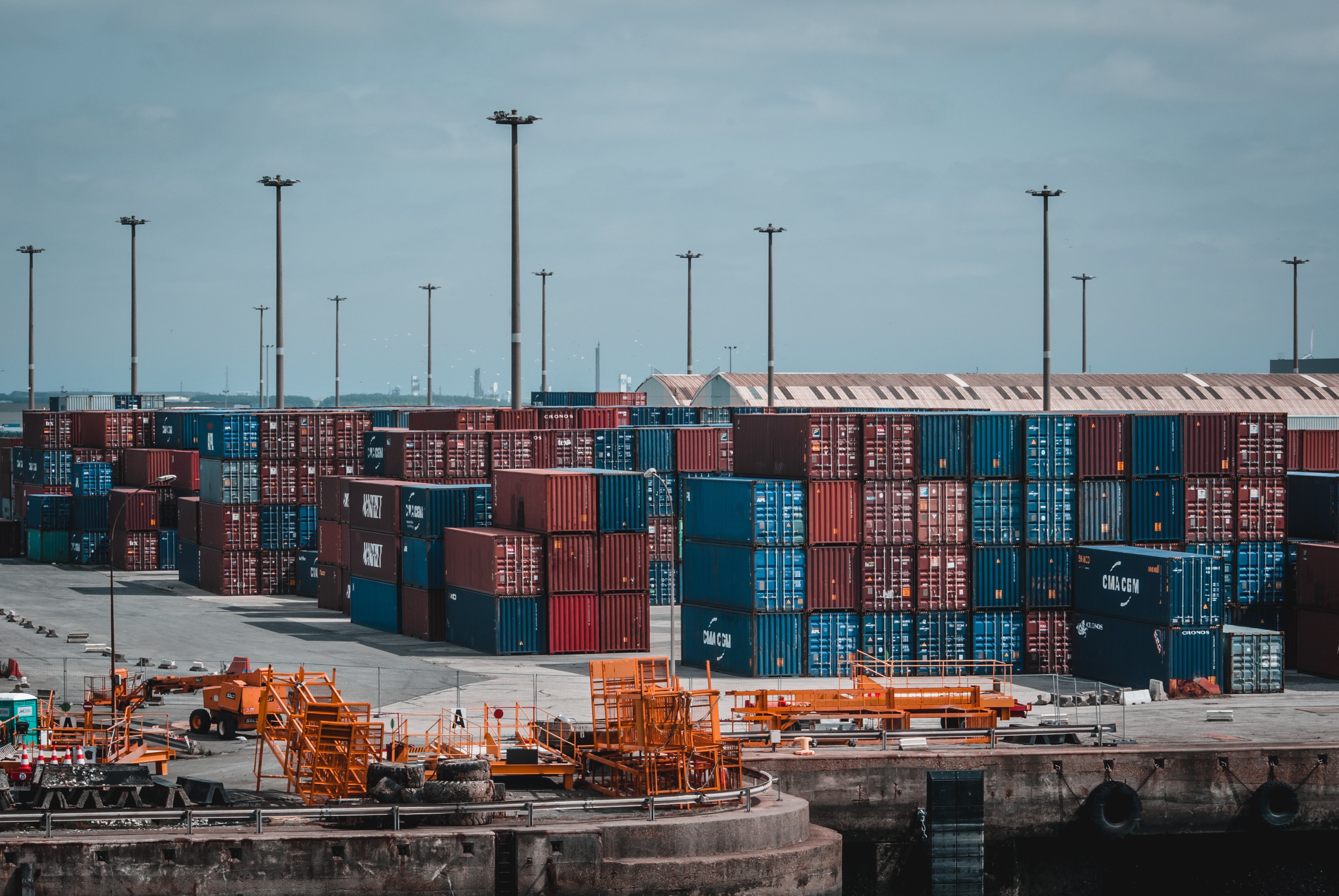
Across 2021-22, companies have been investing significantly in increasing their freight carrying capacity as a way to serve the dramatic increase in demand through the pandemic.
While demand seems to have slowed in the present, container shipping remains one of the major avenues to carry freight across the supply chains.
Container Ship Trends - Bigger Vessels to Accommodate Larger Volumes
To accommodate increased volumes of trade, shipping companies are going for larger and larger vessels. Mega ships with a capacity level of over 18,000 TEUs are becoming mainstream.
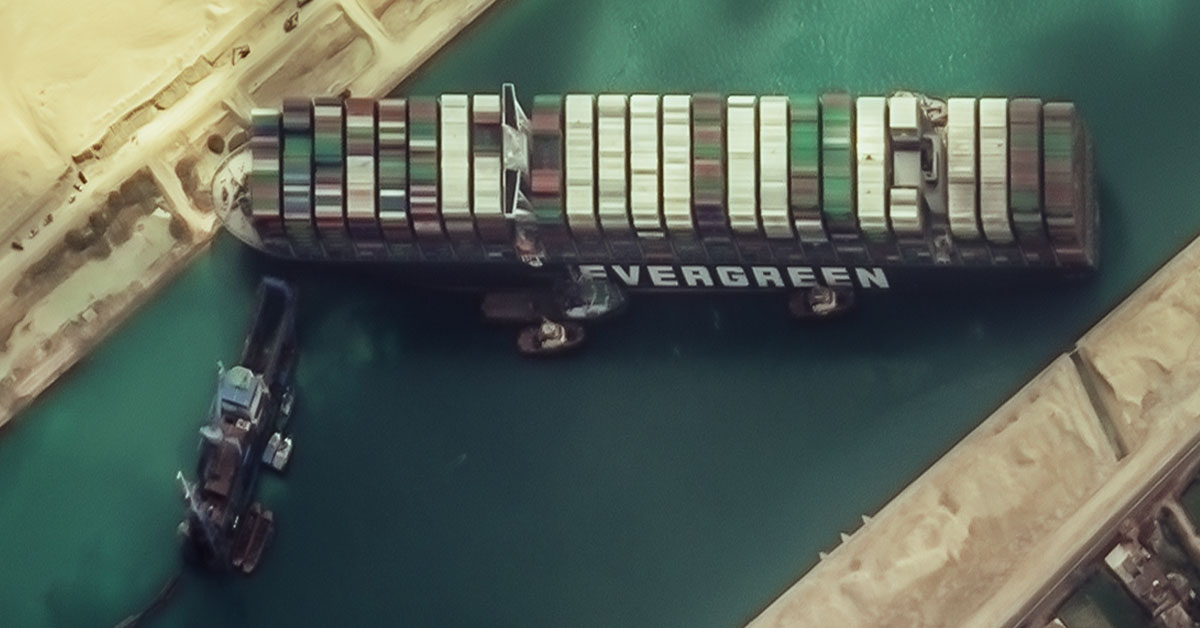
In 2021, a famous shipping snarl at the Suez Canal brought the shipping industry to a halt for almost a week when Ever Green, one of these mega-ships from shipping line Evergreen, was stuck in the canal.
Swiss shipping company MSC or Mediterranean Shg Co. surpassed Maersk in January 2022, becoming the top container shipping company, and is set to keep its position, with a 4.5 M TEU existing capacity and 1.6 M TEU additional capacity on the order book.
MSC took delivery of a container ship in Singapore, according to maritime consultancy, Alphaliner, for a whopping $50.5 Mn to gain the top spot.
ZIM, the Israeli shipping line, upgraded its fleet as well, from 0.4 M TEU in 2021 to the current capacity of 0.5 M TEU in July 2022.
With the new orders placed, the Israel-based shipping line is aiming for a significant increase in TEU, which might move it to 9th place in the top 10 container shipping lines ranking.
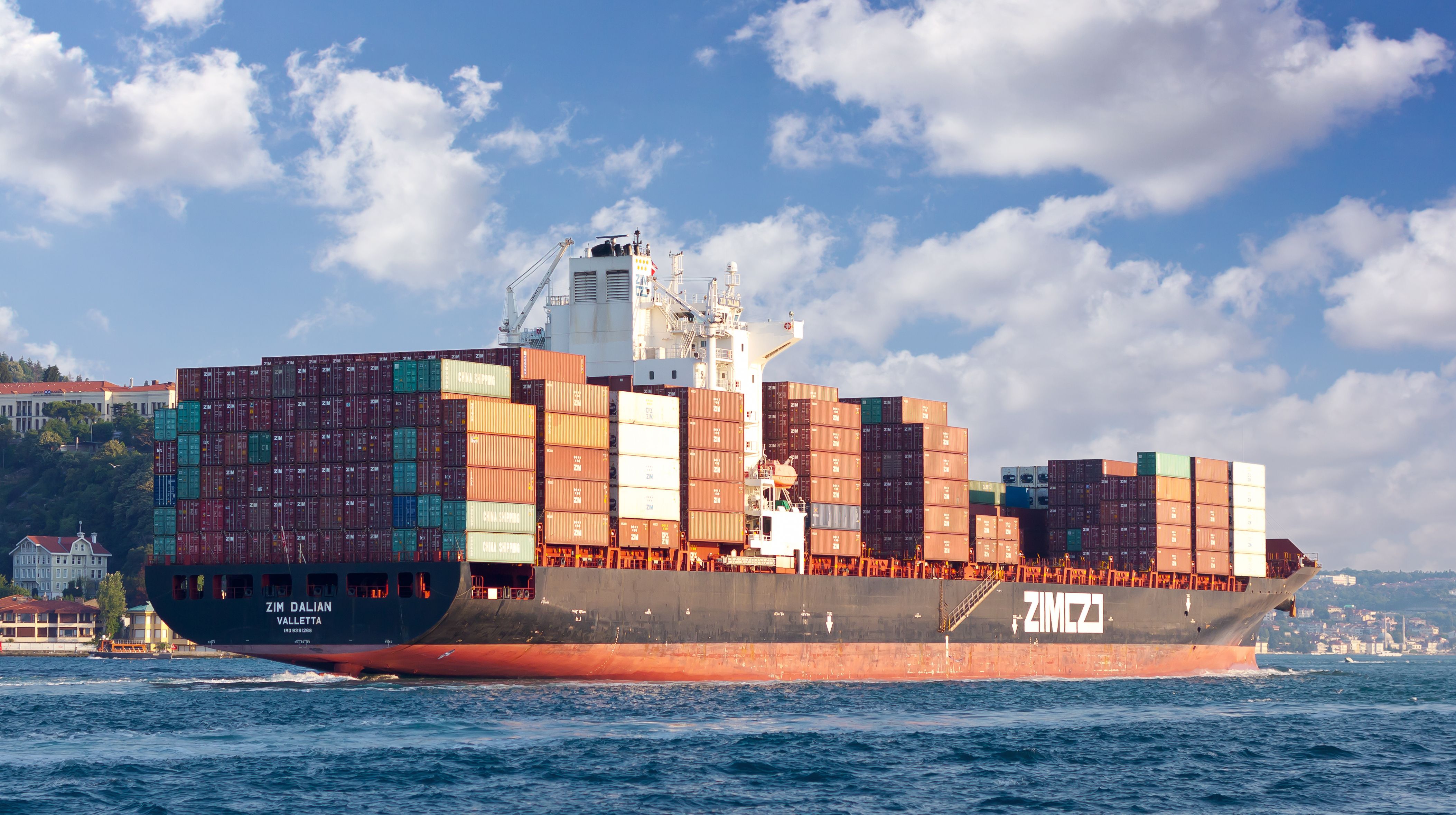
These large shipping corporations have pushed for a massive increase in their fleet sizes, upwards of 1.1 million TEUs.
According to the Alcott Global report, the overall TEU capacity on the three major routes, Trans-Atlantic, Trans-Pacific, and Feast-Europe, has increased by 8% from June 2021 until today, with a 16% capacity increase on the Trans-Pacific route.
The Digital Advantage: How forwarders can get future-ready
With such a massive rise in the number of ships across the world, ports have to adapt quickly to accommodate more vessels and avoid congestion. Ports, liners, and carriers that are ready with digital tools and know-how quickly gain a competitive advantage with real-time insight and updates.
A real-time ocean freight visibility suite like Freightify’s is becoming a critical cornerstone for freight forwarders and their other stakeholders.
Automation, data sharing, and digitalization are the new normal as Web 3.0 changes how the supply chain and logistics industry interact.
To this end, the need of the hour is investing in integrations that help you acquire and analyze real-time data and gain visibility into everything from container tracking to rate management.
This can help companies and individual players gain the competitive edge to make more insightful decisions and improve both top and bottom lines.
Frequently Asked Questions
Q: What is data-driven decision-making in freight forwarding?
It’s the process of using centralized, structured data and AI insights to drive procurement, pricing, and quoting decisions across global teams.
Q: Why is it difficult for freight forwarders to become data-driven?
Because most use legacy TMS systems and Excel workarounds that trap information in silos, making collaboration and transparency difficult.
Q: What is decision intelligence in logistics?
Decision intelligence connects data, people, and AI systems to continuously learn from transactions—transforming experience into scalable foresight.
Q: How does AI improve freight pricing and procurement?
AI learns from historical contracts, quotes, and bookings to suggest optimal pricing, detect anomalies, and improve margin consistency.
Stay updated with Freightify
Subscribe to our blog for the latest updates and insights delivered to your inbox.
Suggested Stories
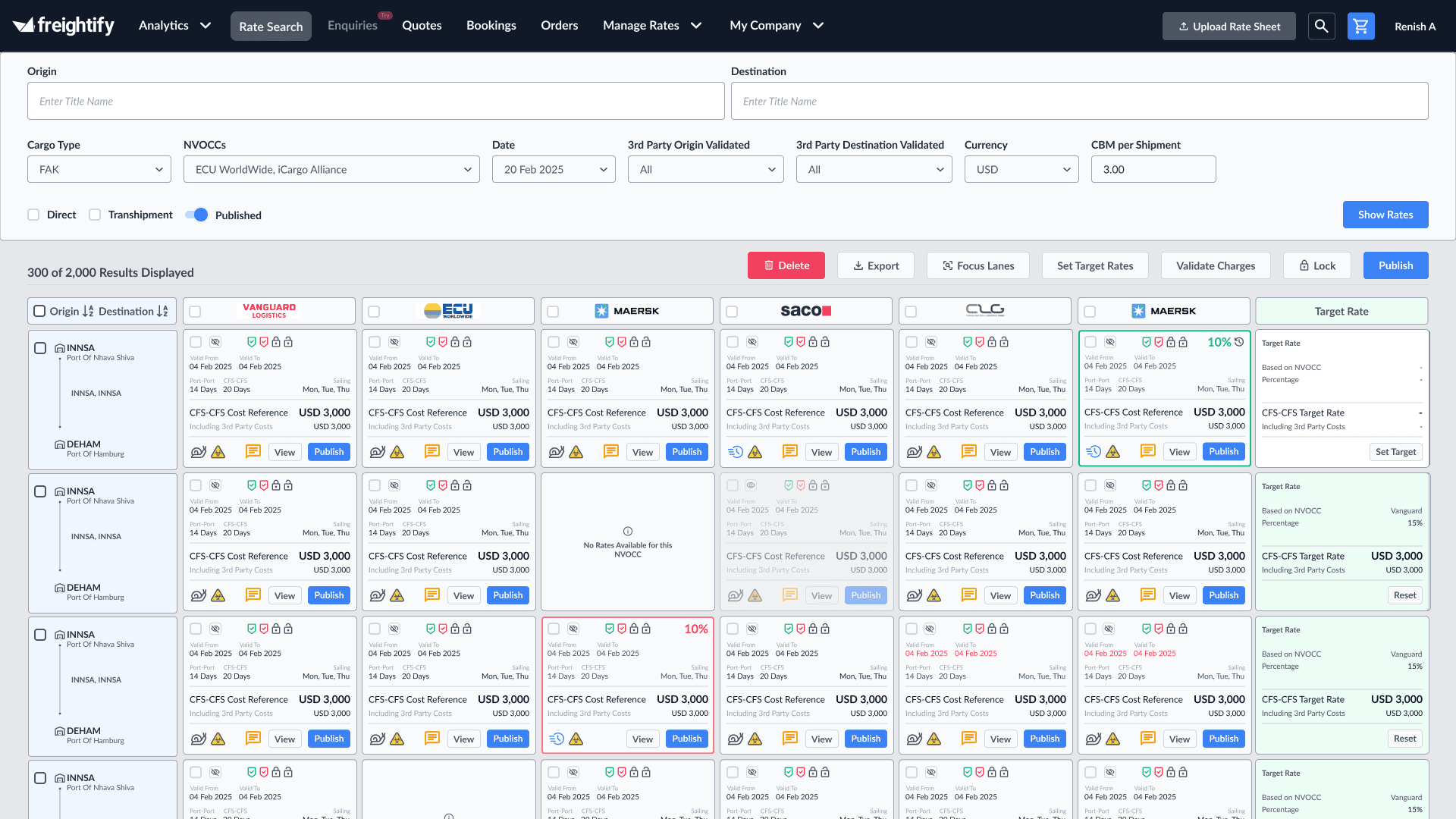
Your LCL Operation Has a Revenue Leak. Most Forwarders Never Find It.
Freight forwarders in the US and Europe lose LCL quotes daily — not from bad rates, but broken pricing workflows. See how the right LCL pricing software fixes this.
Wisor vs Freightify: Which Rate Management Platform Should You Choose? [2026]
Data-driven comparison based on 88 reviews. Implementation speed, multi-office capabilities, accuracy guarantees. 5-minute read.